
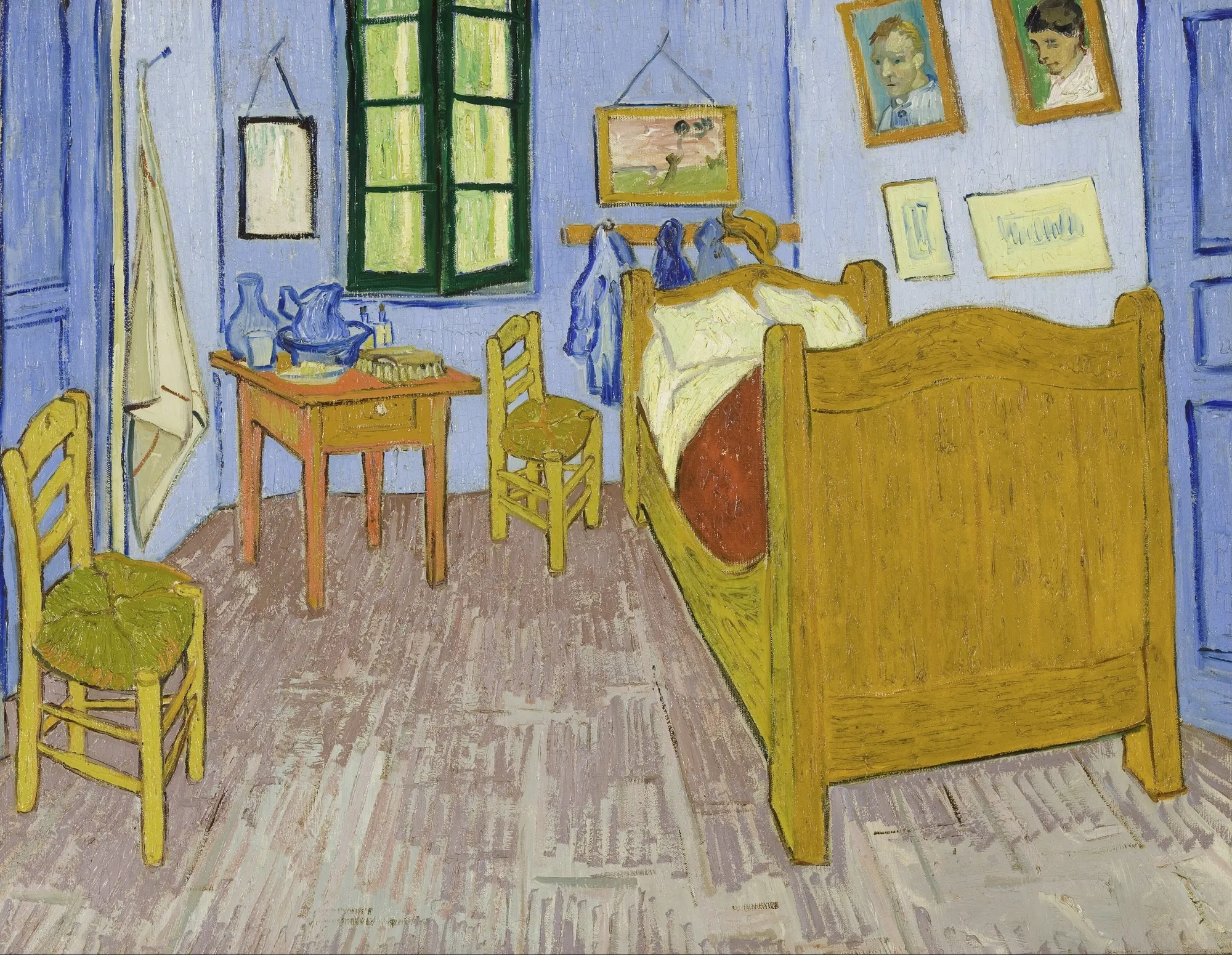
A phased hotel room renovation upgrades rooms in manageable groups while the rest of the property continues operating where it can do so safely. Starting with a pilot room lets an independent hotel test comfort, maintenance, cost and guest response before repeating a design. The first room should answer questions, not merely produce photographs.
Choose a representative pilot room
Pick a room that reflects the layout and condition of a meaningful part of the hotel. An unusual suite may be attractive to photograph but teach little about renovating ordinary rooms. Write down the problems the pilot must solve: worn surfaces, poor lighting, noise, difficult cleaning or an uncomfortable sleep environment.
Complete the intended design far enough to test how it works together, including fixtures, storage and housekeeping access. At the same time, identify work that cannot sensibly be tested room by room. Shared plumbing, fire protection, structural work and other building-wide dependencies require appropriate professional planning.
A pilot is not a reason to postpone necessary safety repairs or ignore accessibility requirements. Confirm the scope, permissions and qualified trades needed before work begins. Keep construction routes, noise and guest areas under a clear operating plan.
Spend where guests live with the result
Renovation budgets often gravitate toward what looks striking in a photograph. Guests also live with the mattress, shower, charging points and light coming around the curtains. Turn those details into performance requirements the contractor and hotel team can understand.
- Sleep: assess the mattress, bedding, blackout and sources of avoidable noise.
- Bathroom: test normal use, drainage, ventilation, cleaning access and any known water-pressure issue.
- Lighting and power: check practical light levels, switch locations and access to charging.
- Storage and movement: leave usable space for luggage, belongings and the route around the room.
- Maintenance: choose parts and finishes the hotel can clean, repair and replace consistently.
Ask a housekeeper and a maintenance colleague to inspect the pilot before guests use it. A beautiful surface that takes excessive effort to clean or a fitted panel that blocks service access creates an operating cost. Finding that problem in one room is easier than finding it after the whole floor is complete.
Guests live with the room through the night, long after the photograph has done its work.
Build a pilot evaluation sheet
- Scope and cost: record the planned work, approved variations and actual expenditure.
- Downtime: record the days the room was unavailable and any impact on neighbouring rooms.
- Operational result: note cleaning effort, maintenance issues and replacement-part availability.
- Guest response: collect relevant comments without suggesting the answer or asking for a particular rating.
- Commercial result: review actual selling prices and occupied nights alongside comparable rooms and dates.
- Decision: identify what to repeat, what to change and what needs a longer trial.
Keep commercial examples separate from promises. Suppose a room previously sold for €120 and you test €132 on selected comparable dates. That is a €12 difference on a night sold, not a guaranteed annual return. Occupancy, distribution costs, seasonality and other room differences all affect whether the change produces additional contribution.
Do not interpret a quiet week or one enthusiastic review as the verdict. Choose a review period long enough to include the types of stay your hotel serves, and compare like with like where possible. If several things changed at once, acknowledge that the room design alone may not explain the result.
Read feedback without chasing praise
Use guest comments to find recurring practical details: sleep, shower use, luggage space or noise. The same discipline behind thoughtful hotel review responses applies here: read what the guest actually said, acknowledge problems and make a concrete correction where one is needed.
Avoid treating a room number mentioned in a review as proof that the design deserves a premium. Look at the reason for the mention and the wider operating record. A guest may have appreciated the view, the welcome or a particular staff member rather than the renovation.
Repeat the standard while keeping the character
When the pilot works, document the useful specifications and the lessons from installation. Repeat the parts that support reliable comfort: the chosen mattress standard, suitable fittings, blackout performance and service access. Allow decorative details to reflect different room shapes rather than forcing an old building into unnecessary sameness.
This supports the advantages of an independent hotel: a consistent promise of comfort alongside a building with character. Plan the next phase around realistic room availability, contractor capacity and communication with booked guests.
When exploring Guester’s review-management and hotel operations views, bring the pilot evaluation sheet and ask how relevant feedback and room context would be reviewed. The renovation decision still depends on the hotel’s own costs, practical checks and guest evidence.